
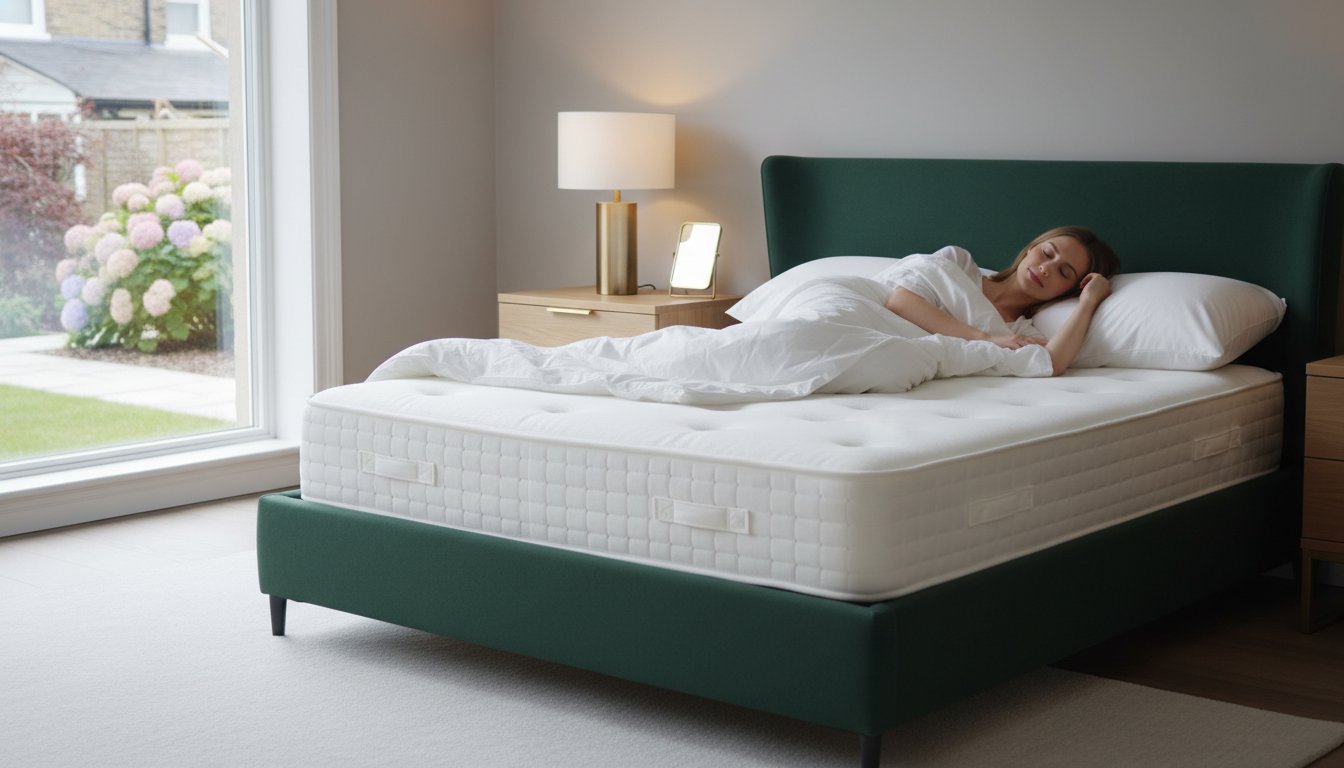
Last week, a customer reached out to us feeling discouraged because their new Sealy mattress felt much firmer than the one they tested in our showroom. It's a common worry; you've made a significant investment in your health, yet you're waking up with shoulder tension or a nagging back ache. We want to reassure you that this "break-in" period is a completely normal part of the process. Most quality mattresses require at least 30 nights to settle and begin contouring to your unique shape.
In this guide, we'll show you exactly how to break in a new mattress using proven, safe techniques to soften the layers without damaging the internal support. You'll learn why that initial stiffness happens and how to speed up the transition from "showroom feel" to "home comfort." We're here to help you turn that new investment into the best sleep of your life, ensuring your bed supports you exactly where you need it most. From gentle pressure techniques to adjusting your room temperature, these practical steps will help you achieve the perfect night's rest much sooner.
Key Takeaways
- Understand the "showroom effect" and why your new bed requires a physical partnership to soften and contour to your body.
- Master five gentle, expert-approved techniques for how to break in a new mattress to ensure you reach peak comfort as quickly as possible.
- Learn why natural fillings in luxury brands like Hypnos settle differently than synthetic foams, impacting your overall adjustment timeline.
- Identify how your choice of bed base, from divans to bedsteads, can significantly change the way your mattress feels and supports you.
- Find out why the 30-night milestone is essential for your physical well-being before you decide if a mattress is the right fit for your home.
Understanding the 'Adjustment Period': Why New Mattresses Feel Firm
You've just had your new bed delivered, but instead of the cloud-like comfort you remember from the shop, it feels surprisingly firm. Please don't worry; this is a completely normal part of the journey toward better sleep. We define the "break-in period" as the necessary time for fresh materials to lose their factory stiffness. Much like a new pair of quality leather boots, your mattress needs a bit of regular use before it becomes supple and perfectly contoured to your frame. Most manufacturers recommend at least 30 nights to allow this transition to happen fully.
You might wonder why the model in our showroom felt so different. This is known as the "showroom effect." The floor models have been tested by hundreds of people, meaning the materials are already fully relaxed and pliable. Your new mattress, however, has likely been stored in a warehouse or tightly wrapped in protective packaging, keeping the fibres under tension. As you begin using it, you'll notice slight indentations where you sleep. These are "body impressions," and they're actually a sign of a healthy break-in rather than a fault. While sagging is a structural failure, these small impressions show the comfort layers are settling and knitting together to mirror your unique shape.
The Science of Material Compression
The internal components of your bed are designed to be durable, which means they start their life quite rigid. If you've chosen a Sealy mattress or a foam-heavy model, the tiny cells within the material need weight and warmth to become flexible. For those who prefer natural upholstery like wool, cotton, or horsehair, found in premium brands like Relyon, these fibres need time to settle and compress. Temperature also plays a significant role. If your room is particularly chilly, the materials may feel harder until they reach ambient house temperature and begin to react to your body heat.
Your Body’s Role in the Process
It's important to remember that your body is also going through a transition. We call this "postural realignment." If you've spent years on an old, dipping mattress, your spine has likely adapted to a lack of support. When you introduce a supportive new surface, your muscles and ligaments must unlearn those old, poor habits. This can lead to some temporary aches during the first 7 to 10 nights. Part of learning how to break in a new mattress is simply giving your own biology the time to adjust to proper spinal alignment. It's a psychological shift too; you're moving from a familiar, worn-out surface to a high-quality environment built for long-term well-being.
5 Practical Ways to Break In Your New Mattress Faster
While we've discussed why your body needs time to adjust, you can take active steps to help the materials settle. The secret to how to break in a new mattress isn't brute force; it's consistent, gentle pressure. Think of it as a friendly partnership between you and your new bed. By following a few manufacturer-approved techniques, you'll reach that peak level of comfort much faster than just waiting it out. Always remember that consistency is better than aggressive one-off actions, which could potentially damage the internal structure.
Here are five safe ways to speed up the process:
- The Crawl Method: Use your hands and knees to apply targeted pressure across the entire surface.
- Temperature Control: Keep your bedroom between 20 and 22°C to help foam layers soften.
- Daytime Relaxation: Spend extra time sitting or reading on the bed to encourage the fibres to conform to your weight.
- Weekly Rotation: Turn the mattress 180 degrees every seven days during the first month for even settling.
- Daily Aeration: Leave your bedding off for a few hours each morning to allow the core to "open up."
Applying Gentle Pressure and Heat
One of the most effective ways to encourage flexibility is the "Crawl Method." Instead of jumping, which can snap internal springs and void your warranty, try crawling across the surface on your hands and knees for a few minutes each day. This applies concentrated weight to the foam or natural fibres, helping them relax. You can also follow these expert tips for breaking in a mattress by keeping your bedroom slightly warmer. Maintaining a temperature around 21°C makes foam layers more pliable, allowing them to react to your body heat more effectively. If you find your new Sealy mattress feels a bit stiff at first, this extra warmth can make a world of difference in those early nights.
Spending extra time on your mattress during the day also helps. Whether you're catching up on a book or simply relaxing, your consistent body weight encourages the comfort layers to "learn" your shape. Just keep your movements gentle. Aggressive actions or removing the law tags can lead to structural damage or legal issues that might complicate a future warranty claim.
Rotation and Aeration
Managing the physical placement of your mattress is just as vital for long-term satisfaction. We recommend rotating your mattress 180 degrees every week for the first month. This ensures that the materials settle evenly across the entire sleeping surface rather than just in the spots where you usually lie. However, check if your model is a "non-turn" mattress. Many modern designs are one-sided, so flipping them over will only result in discomfort. If you're currently setting up your room, pairing your mattress with one of our sturdy bedsteads can provide the flat, consistent support needed for these materials to settle properly.
Finally, give your new bed some space to breathe. When you first unbox it, leave the sheets off for several hours. This air circulation allows the core materials to fully expand after being compressed for delivery. It also helps any "new mattress smell" dissipate quickly, leaving you with a fresh, inviting sleep environment that's ready for a restorative night.
Natural vs. Synthetic: How Material Choice Affects the Timeline
Every material used in modern bed manufacturing has its own personality and physical properties. This means the journey toward comfort looks different depending on whether you've chosen a traditional pocket-sprung model or a modern foam hybrid. When you're learning how to break in a new mattress, the first step is identifying what's inside. Synthetic foams react primarily to heat and weight, while natural fibres like wool or silk require physical compression to "knit" together into a supportive cradle.
Premium brands like Hypnos often use thick layers of natural upholstery that feel quite firm on day one. This isn't a flaw; it's a hallmark of quality. These materials are designed to settle gradually, offering a more bespoke level of support as they adapt to your sleeping positions. In contrast, standard foam beds might feel "ready" sooner but lack the long-term resilience and breathability of their natural counterparts.
Natural Fillings (Wool, Silk, Cotton)
Luxury fibres such as those found in a Relyon mattress have a high degree of "loft," which is essentially the air trapped between the fibres. Over the first 4 to 6 weeks, these materials settle and compress. You might find these beds feel "tighter" initially due to high-quality tufting. Those small buttons on the surface are there to keep the generous helpings of wool and cotton from shifting. While they add to the initial firmness, they ensure your bed maintains its shape for years. Once these fibres settle, you'll benefit from superior thermoregulation that keeps you cool in summer and warm in winter.
Memory Foam and Hybrid Layers
If you've opted for a Sealy mattress or a hybrid model, you're looking at a two-stage break-in process. First, you must account for the "off-gassing" period. This is simply the time needed for the foam to air out and reach its full expansion after being vacuum-packed. According to this guide on breaking in a new mattress, letting the bed breathe is the essential first step to achieving the right feel.
Hybrid beds combine the tension of steel springs with the adaptive nature of foam. High-density foams, used in premium models, actually take longer to soften than cheaper, less durable alternatives. This is because the cellular structure is much tighter and more robust. Don't be discouraged if your hybrid feels rigid at first; it's simply a sign that you've invested in a high-quality product built to last. Give the foam layers time to react to your body heat, and you'll soon feel that signature contouring support.

The Foundation Factor: Is Your Bed Base the Problem?
Many people assume the mattress is a solo performer, but its comfort depends heavily on the surface beneath it. Think of your bed base as the suspension system for your sleep. If the foundation is uneven or worn out, even a premium Sealy mattress cannot provide the support it was designed for. While you're researching how to break in a new mattress, you must also evaluate your bed frame or divan. A base that's too rigid or, conversely, one that's lost its structural integrity, will drastically change how the mattress materials contour to your body.
Sprung Divans vs. Solid Slats
Choosing a sprung divan base is like adding an extra layer of comfort to your bed. These bases act as a giant shock absorber, working with the mattress to soften the overall feel and speed up the settling of new fibres. In contrast, solid slats provide a much firmer foundation. This extra rigidity can make the break-in period feel longer because the mattress layers are compressed against a hard, unyielding surface. If you use a slatted frame from a brand like Birlea Furniture, take a moment to measure the gaps between the slats. We recommend that slat gaps should never exceed 7cm. Anything wider can cause the mattress to bulge and dip, leading to permanent structural damage and uncomfortable lumps that no amount of walking or crawling will fix.
Troubleshooting an Old Base
Try the "Floor Test" if you're worried your bed isn't softening as it should after the first fortnight. Simply place your mattress on a clean, flat floor for a night or two. If the comfort and support improve significantly, your existing base is the culprit. Old divans often hide collapsed springs or warped timber frames that aren't visible from the outside. Putting a high-quality new mattress on a failing base is a recipe for disappointment. It often leads to premature dipping and prevents the comfort layers from settling evenly across the surface. At Belfast Beds, we've found that a fresh foundation is often the missing piece of the puzzle for a perfect night's sleep. If your current frame is failing the test, you can explore our range of sturdy divans and bedsteads to find a reliable partner for your new mattress.
The 30-Night Milestone: When to Trust the Process
Patience is the most important ingredient in a good night's sleep. While we've explored the physical methods for how to break in a new mattress, giving yourself a realistic timeline is just as vital. Most manufacturers require a minimum 30-night trial before considering an exchange. This isn't a hurdle to make things difficult; it's a scientifically backed window that allows your body and the mattress materials to find their rhythm together. Trusting this process ensures you don't give up too early on a bed that could provide a decade of restorative rest.
The 30-Night Survival Checklist
Understanding the stages of a break-in can help manage your expectations and keep you from worrying. Here is what you can typically expect during your first month with a new bed:
- Nights 1-7: The Postural Reset. Your spine is learning to align with new support. Some mild stiffness or aches are normal as your muscles unlearn the "bad habits" from your old, dipping bed.
- Nights 14-21: The Softening. By now, the factory stiffness has largely dissipated. You'll notice a reduction in surface tension, and the comfort layers will start to feel more like the model you tested in our showroom.
- Night 30: The True Feel. This is the mattress as it was intended to be. The materials have settled, the springs have reached their working tension, and your body has fully adjusted to the new support levels.
Knowing When to Swap
While we always encourage patience, it's also vital to recognise when a mattress is genuinely a poor match for your needs. If you experience persistent numbness or "pins and needles" in your limbs, the mattress may be too firm for your sleeping position. This is different from the muscular aches of a postural reset. If you've reached the end of your 30-day window and still feel significant discomfort, it might be time to discuss an exchange. We want you to be happy with your investment, so don't hesitate to ask for guidance.
Before making a final decision, our team often suggests using a high-quality mattress protector to add a layer of softness. This can act as a temporary bridge while the deeper support layers of your Hypnos mattress or Relyon bed continue to settle. If you're unsure whether your experience is normal, please reach out to us. We pride ourselves on being your friendly local experts, and we're here to offer honest advice to ensure your long-term spinal health. Staying the course for those first four weeks is the best way to guarantee you've found the perfect partner for a lifetime of better sleep.
Achieving Your Perfect Night's Sleep
You've made a wonderful investment in your health, and now it's simply a matter of time and a little gentle care. We've explored that the secret to how to break in a new mattress is a blend of patience and consistent, light pressure. It's vital to remember that your body needs that full 30-night window to unlearn old habits and align with your new support system. Whether you're waiting for luxury natural fibres to settle or for high-density foam to become more pliable, the end result is a bed that truly understands your shape.
As independent, family-run experts helping our neighbors sleep better since 1990, we take great pride in being official stockists for trusted brands like Hypnos, Sealy, and Relyon. We want you to feel completely confident in your choice, which is why we offer a 30-night sleep trial guarantee. Still struggling with your sleep? Explore our range of premium mattresses and expert advice to find your perfect match. We're always here to guide you every step of the way toward the restorative rest you deserve.
Frequently Asked Questions
How long does it realistically take to break in a new mattress?
It typically takes between 30 and 90 days to fully break in a new mattress. During this time, the internal components like springs and foam lose their factory stiffness. While you might notice a difference after the first two weeks, the full transition usually requires at least a month of consistent use. This period allows the materials to settle and conform to your unique sleeping positions.
Can I speed up the break-in process by walking on my bed?
You can speed up the process by gently crawling on the surface, but we don't recommend heavy walking or jumping. Applying even pressure with your hands and knees helps the fibres and foam layers relax without damaging the internal structure. If you're wondering how to break in a new mattress safely, focus on gentle, daily movements across the surface rather than aggressive force which could void your warranty.
Why does my new mattress feel so much harder than the one in the shop?
Showroom models feel softer because they've been tested by hundreds of customers, effectively breaking them in for you. Your new mattress is fresh from the factory with materials that are still under tension. It hasn't had the chance to react to your body heat or weight yet. Once you begin sleeping on it regularly, those rigid fibres will soften to match the comfort level you remember from the store.
Is it normal to have back pain after sleeping on a new mattress?
Temporary back or shoulder pain is quite common during the first week. Your body is undergoing a "postural reset" as it adjusts to a new support system after years of sleeping on a worn-out surface. These muscles and ligaments need time to realign with the improved support. If the pain persists beyond the first 14 nights, it's a good idea to check your sleeping posture or pillow height.
Should I use a mattress topper while my new bed is breaking in?
We suggest avoiding a topper for the first 30 days if possible. Using one can act as a barrier, preventing your body heat from reaching the mattress layers and slowing down the softening process. If you find the bed truly unbearable, a thin topper can serve as a bridge. However, the best way to ensure a long-term fit is to let your body interact directly with the new materials.
Does the type of bed base I use affect how my mattress breaks in?
Your bed base plays a significant role in how the mattress feels and settles. A sprung divan base provides a bit of "give," which can make the mattress feel softer from day one. Solid slats or a platform base offer a firmer foundation, which might make the break-in period feel slightly longer. Always ensure your slats are no more than 7cm apart to prevent the mattress from sagging or settling unevenly.
What should I do if my mattress still feels too firm after 30 days?
Check your bed base first to ensure it isn't too hard if your bed still feels rigid after a month. You might then consider adding a mattress topper for extra cushioning or contacting us to discuss a comfort exchange. By this milestone, the materials should have settled. If they haven't, it's possible the tension you chose isn't quite right for your body weight or sleeping style.
Can I return my mattress if I find it uncomfortable in the first week?
Most manufacturers require you to keep the mattress for at least 30 nights before initiating a return or exchange. This policy exists because it's physically impossible to know if a mattress is right for you after just a few sleeps. Your body and the bed need that full month to settle. If you're still unhappy after the 30-night milestone, we can then help you navigate the next steps of your sleep trial.


