
Why are we still trying to engineer the perfect sleep in a lab when nature already perfected the formula thousands of years ago? If you've spent restless nights tossing and turning on synthetic foam that traps heat like a radiator, you aren't alone. It's frustrating to invest in your rest only to find your mattress losing its shape or triggering allergies within just a few years.
We believe your home should be a sanctuary of comfort, and that's why the wool and cashmere mattress advantages are so significant for your physical well-being. These natural fibres work together to create a unique synergy, offering a climate-controlled and pressure-relieving environment that helps you drift off effortlessly. When you choose high-quality materials from trusted names like Hypnos or Relyon, you're investing in a cloud-like luxury feel that's designed to last for 10 years or more.
With experts projecting that 25% of mattresses will incorporate eco-friendly materials by 2026, it's the perfect time to explore how these fibres provide perfect temperature regulation and why making the switch to natural materials is the best way to upgrade your lifestyle.
Key Takeaways
- Learn how replacing synthetic foams with premium animal hair layers from brands like Hypnos creates a more breathable and durable sleep surface.
- Discover the secret to perfect temperature regulation as natural fibres manage your sleep micro-climate to keep you cool in summer and warm in winter.
- Explore the specific wool and cashmere mattress advantages that provide targeted pressure relief for your hips and shoulders for a weightless feel.
- Understand why these naturally hypoallergenic materials are a superior choice for allergy sufferers by repelling dust mites and other common irritants.
- Identify the essential quality markers, such as side-stitching and fibre grading, to ensure your new mattress delivers comfort for over a decade.
Understanding Natural Luxury: What are Wool and Cashmere Mattresses?
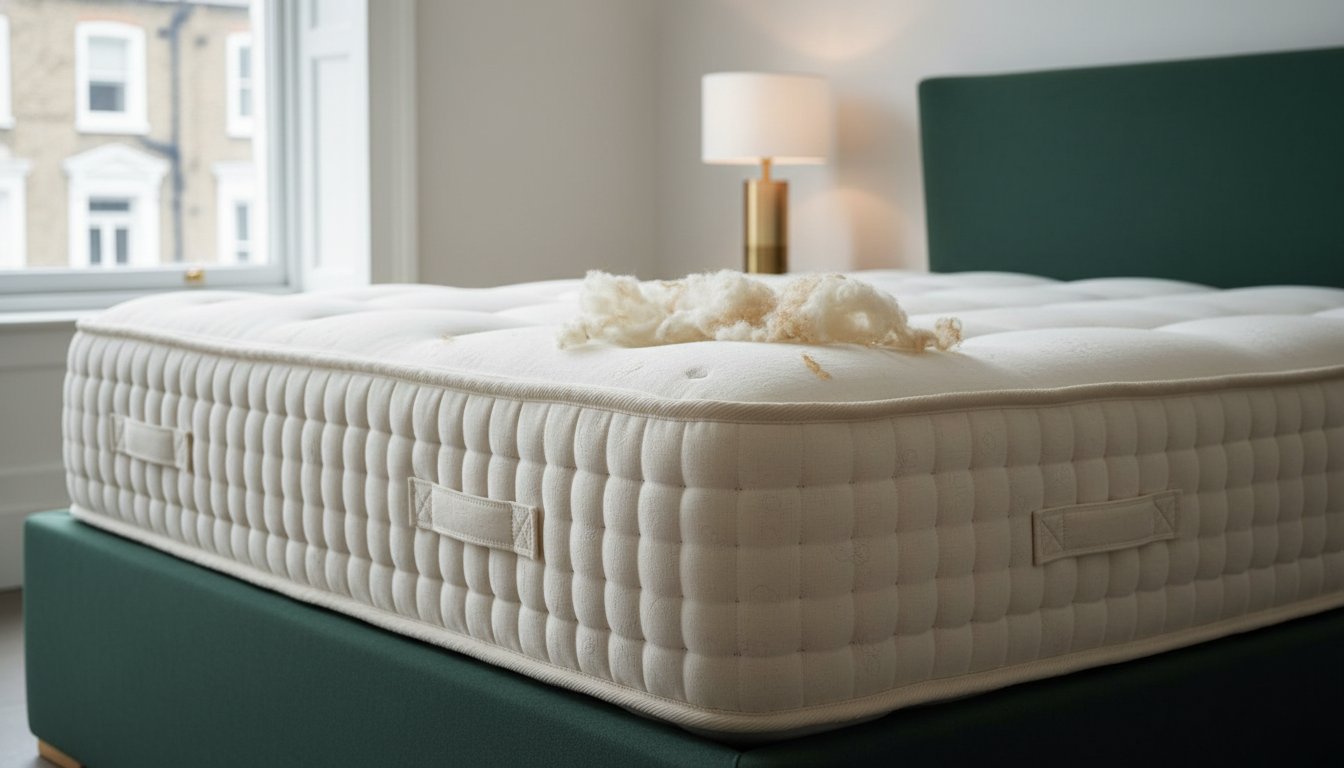
Step inside any high-end bedroom and you'll likely find a mattress that prioritises natural fillings over chemical foams. A wool and cashmere mattress is defined by its comfort layers, often called the upholstery, which sit above the supportive spring system. While the springs act as the engine of the bed, these organic fibres provide the luxurious surface that actually touches your body. One of the primary wool and cashmere mattress advantages is the move away from synthetic, petroleum-based foams toward materials that have been part of British bed-making heritage for centuries.
We often describe these materials as 'active' fibres. Unlike memory foam, which is a 'passive' material that simply reacts to heat by sinking, natural fibres actively work to manage your environment. Brands like Relyon and Hypnos have spent decades perfecting the art of layering these materials to ensure they provide both physical support and emotional comfort. It's a tradition rooted in quality and a deep understanding of how we sleep best.
The Science of Wool in Sleep Systems
The properties of wool fiber are truly remarkable because of their natural 'crimp'. This wavy structure creates millions of tiny air pockets that trap warmth when you're cold and allow air to circulate when you're hot. Wool is a protein-based fibre, primarily made of keratin, which gives it a unique ability to resist compression and spring back into shape after use. This resilience is why wool is so durable; a single fibre can bend over 20,000 times without breaking. In contrast, synthetic fibres often snap or lose their loft after just a few thousand bends, which is why natural mattresses tend to last much longer.
The Rarity and Refinement of Cashmere
Cashmere adds a level of refinement that wool alone cannot achieve. Harvested from the soft undercoat of Kashmir goats, this fibre is incredibly scarce and prized for its delicate texture. It is roughly three times more insulating than sheep's wool, yet it feels weightless. When blended into a mattress, cashmere provides a tactile 'loft' that feels like sleeping on a cloud. It acts as a natural pressure-relief layer, gently cushioning your hips and shoulders. By combining the structural strength of wool with the exquisite softness of cashmere, manufacturers create a sleep surface that feels both substantial and indulgent.
Unrivalled Temperature Regulation: Staying Cool and Dry
You might think of a thick wool jumper and worry that a natural mattress will feel too hot. It's a common misconception, but the truth is actually the opposite. One of the most significant wool and cashmere mattress advantages is the ability to regulate your body temperature throughout the year. While synthetic materials act as insulators that trap heat, natural fibres are highly breathable. They act as a thermostat for your bed, keeping you warm in the winter while ensuring you stay remarkably cool during those humid summer nights.
This regulation happens within the 'micro-climate' created between your body and your duvet. If you share a bed with a partner who has a different body temperature, natural fibres are a lifesaver. They help balance the environment so one person doesn't freeze while the other overheats. This stability is vital for your physical well-being because it prevents the sudden temperature spikes that often lead to broken sleep. By maintaining a steady environment, these materials help you stay in deep REM sleep for longer periods. If you're tired of waking up feeling clammy, you might want to view our selection of natural mattresses to see the difference for yourself.
How Wool Wicks Moisture Away
Wool is a powerhouse when it comes to managing humidity. It can absorb up to 30% of its own weight in moisture without ever feeling damp to the touch. This is due to the unique structure of the fibre and the presence of lanolin, which helps transport moisture away from your skin and releases it into the air. Synthetic covers and foams can't do this; they simply trap sweat against your body, which leads to that uncomfortable, sticky feeling. The health and wellness benefits of wool include this superior moisture management, which is especially helpful for anyone dealing with night sweats or sensitive skin.
The Breathability Advantage Over Memory Foam
Many modern 'bed-in-a-box' mattresses rely on dense chemical foams that require your body heat to soften and contour. This design creates a heat-trap effect because there's nowhere for the warmth to escape. Natural fibres like wool and cashmere have an open-cell structure that allows for constant air movement. Air circulation prevents the build-up of body heat by allowing it to dissipate through the sides of the mattress. While brands like Sealy offer excellent support, choosing a model with natural comfort layers ensures you don't have to sacrifice a cool sleep for proper spinal alignment.
The Comfort Profile: Pressure Relief and Tactile Luxury
Many people worry that a mattress with enough support will inevitably feel too hard. Finding that 'Goldilocks' balance between firm spinal alignment and cloud-like softness is where the unique synergy of natural materials really shines. One of the most sought-after wool and cashmere mattress advantages is how these fibres work as a team. While the wool provides a sturdy, resilient base, the cashmere acts as a dedicated pressure-relief layer. This is especially important for side sleepers who often experience aching in their hips and shoulders. Instead of the 'sinking' sensation you get with foam, natural fibres feel responsive. They move with you, providing an immediate 'push-back' that makes it much easier to turn over during the night.
To achieve this consistent feel, premium manufacturers like Hypnos use a traditional process called hand-teasing. This involves separating the fibres by hand to ensure they are evenly distributed, which maintains a consistent loft across the entire surface. Without this expert attention to detail, natural fillings could clump together, leading to uncomfortable lumps and bumps. Because of wool's dynamic breathability, these comfort layers stay fresh and springy rather than becoming heavy with trapped moisture. By understanding these wool and cashmere mattress advantages, it's easy to see why natural fibres remain the gold standard for luxury rest.
Cashmere's Role in Softening the Sleep Surface
Cashmere brings a silky, almost fluid texture to the sleep surface that wool alone cannot match. Its fibres are significantly finer than sheep's wool, allowing them to fill the tiny gaps between the larger wool strands. This creates a denser, richer upholstery layer that feels incredibly soft against the body. There is also a psychological benefit to this level of luxury. When your bed feels this indulgent, it can actually reduce sleep onset latency. You'll find yourself relaxing faster and drifting off to sleep more quickly because your body isn't struggling to find a comfortable position.
Why Natural Fibres Outperform Synthetic Alternatives
Long-term resilience is a major factor that sets these beds apart from their synthetic counterparts. Cheap polyester padding tends to flatten and 'dip' within just a few years, but high-grade British wool has a natural spring-back quality. It's the difference between simple 'padding' and true 'upholstery'. Brands like Relyon treat these materials as structural components. This ensures your mattress maintains its height and comfort profile for a decade or more. When you choose natural fibres, you aren't just buying softness; you're buying a comfort system that's built to last.

Health, Hygiene, and Sustainability Benefits
Choosing a mattress involves more than just picking a firmness level. It's about the air you breathe and the environment you create in your home. Many synthetic mattresses use chemical adhesives and petroleum-based foams that release Volatile Organic Compounds, or VOCs, into your bedroom. This process, known as off-gassing, can leave a distinct chemical smell and may irritate sensitive airways. One of the standout wool and cashmere mattress advantages is the "clean sleep" experience. Because these materials are grown rather than manufactured in a lab, they don't rely on the same heavy chemical processing. You can rest easy knowing your bed isn't contributing to indoor air pollution. This is a significant benefit for anyone who values a holistic approach to health and domestic well-being.
Naturally Hypoallergenic and Dust Mite Resistant
Dust mites are a major trigger for asthma and eczema, but they struggle to survive in a natural sleep environment. These microscopic pests thrive in warm, damp conditions. Because wool and cashmere are so efficient at wicking away moisture, they keep the mattress interior dry and inhospitable for mites. Natural fibres contribute to a cleaner bedroom air quality by significantly reducing the presence of these common allergens. This makes a natural mattress a fantastic choice for families looking to manage respiratory health.
Fire Retardancy Without Harsh Chemicals
Safety is a priority for every household, but many people don't realise how most mattresses meet UK fire standards. Synthetic beds often require the application of chemical fire retardant sprays. Wool is naturally flame-extinguishing due to its high nitrogen and water content. This natural property allows manufacturers like Hypnos to meet strict safety regulations without using "nasty" additives. It provides peace of mind for health-conscious families who want to avoid unnecessary chemical exposure in the bedroom.
We also need to consider what happens to a mattress at the end of its life. Synthetic foams can sit in landfills for centuries, but a mattress made with natural fibres is 100% biodegradable. When the time eventually comes to replace your bed, these materials will break down naturally and return nutrients to the soil. This circular lifecycle is another of the key wool and cashmere mattress advantages for the environmentally conscious shopper. It ensures your comfort today doesn't become a problem for the planet tomorrow. If you're ready to invest in a healthier, more sustainable night's sleep, you can shop our full range of natural fibre mattresses today.
Choosing Your Perfect Natural Fibre Mattress
When you're looking at the spec list of a new bed, the terminology can feel a bit overwhelming. To truly capitalise on wool and cashmere mattress advantages, you should look for specific quality markers on the label. Terms like 'Pure New Wool' ensure the fibre hasn't been recycled or blended with low-grade synthetics. Similarly, 'Grade A Cashmere' indicates the finest, softest undercoat fibres are used. These premium materials work best when paired with a high pocket spring count. The springs provide the deep support, while the natural layers offer the surface comfort. It's also worth checking for genuine hand side-stitching. This traditional technique involves stitching the mattress borders directly to the spring unit, which prevents the sides from sagging and keeps those precious natural fillings exactly where they should be.
Think of your mattress as a long-term investment in your physical well-being. While a high-quality natural mattress has a higher initial cost, its durability is unmatched. Most premium models are designed to last between 10 and 15 years without losing their structural integrity. When you calculate the 'cost per night' over a decade, the value becomes clear. You're paying for thousands of nights of perfect temperature regulation and pressure relief, rather than replacing a cheap foam mattress every three or four years.
The Hypnos and Relyon Approach: Royal Standards
Hypnos Mattresses are a fantastic example of this dedication to quality. They hold a Royal Warrant, which is a prestigious mark of excellence that reflects their commitment to using the finest sustainable materials. Their approach involves meticulous hand-tufting, where long needles are passed through the mattress to secure the wool and cashmere layers. Similarly, Relyon Mattresses have a long heritage in natural fibre blending. They're experts at creating the perfect upholstery mix to suit different firmness preferences, ensuring that every sleeper finds their ideal match. These brands represent the pinnacle of wool and cashmere mattress advantages by combining traditional craftsmanship with modern comfort needs.
Maintaining Your Investment for Decades
To keep your investment in top condition for decades, a few simple habits make a world of difference. Always use a high-quality mattress protector to keep the natural fibres clean and dry. Since wool and cashmere are organic materials, they need to 'settle' over time. Regular turning and rotating during the first few months helps the fillings contour to your body shape evenly. We also recommend airing your mattress every morning. Simply pulling back the duvet for 20 minutes allows the fibres to breathe and release any moisture absorbed during the night. This small step keeps your sleep environment fresh and ensures the natural fibres maintain their loft and resilience for many years to come.
Ready to Experience True Luxury Sleep?
Investing in your rest is one of the most important decisions you can make for your physical well-being. By choosing natural fibres, you're opting for a sleep environment that stays cool, supports your body perfectly, and remains free from harsh chemicals. The wool and cashmere mattress advantages we've explored show that luxury is more than just a soft surface. It's about long-term durability and a healthier home. We've been sharing our family-run expertise since 1990 to help our neighbors find their perfect bed, and we're here to guide you too.
You can shop with complete peace of mind. We offer a 30-night sleep trial guarantee and 0% Finance on all our premium brands. It's time to leave behind the heat of synthetic foams and enjoy the breathable, responsive comfort that nature intended. Explore our range of premium Hypnos and Relyon natural fibre mattresses today. We look forward to helping you achieve the deep, restorative rest you've been looking for.
Frequently Asked Questions
Are wool and cashmere mattresses too hot for summer?
Natural fibre mattresses are actually cooler in the summer than synthetic alternatives. Because wool and cashmere are highly breathable, they allow air to circulate and moisture to evaporate quickly. This prevents the "oven effect" often associated with memory foam. You'll stay dry and comfortable even on the most humid nights because these fibres naturally regulate your body temperature.
Do wool mattresses smell of sheep?
You won't notice any farm-like odors when your new bed arrives. The wool used in premium brands is thoroughly scoured and cleaned to remove all dirt and natural oils. While any new product has a "new" scent for a day or two, natural fibres are actually better at staying fresh over time. They don't trap the moisture or bacteria that can cause synthetic foams to develop smells.
How long does a wool and cashmere mattress typically last?
A high-quality wool and cashmere mattress typically lasts between 10 and 15 years. This is significantly longer than the average 7-year lifespan of many budget foam models. The natural resilience of the protein-based fibres means they bounce back into shape every day. This long-term durability is one of the primary wool and cashmere mattress advantages for those looking for genuine value.
Can I use a wool mattress if I have a lanolin allergy?
Most people with a lanolin allergy can sleep on a wool mattress without any issues. The wool is encased in several layers of high-quality ticking fabric, so your skin never makes direct contact with the internal fibres. Additionally, the scouring process removes the vast majority of natural oils. If your allergy is severe, we always recommend checking with your healthcare provider before making a purchase.
Is a wool mattress better than memory foam for back pain?
Natural fibre mattresses are often superior for back pain because they provide "responsive" support. Unlike memory foam, which can leave you feeling stuck in a dip, natural materials push back to support your spine's natural curve. This makes it much easier to change positions without straining your muscles. You'll find that brands like Sealy often combine these natural layers with advanced spring systems for maximum relief.
Why are cashmere mattresses so much more expensive?
The price reflects the scarcity of the materials and the intensive labor required to build them. Cashmere must be hand-combed from goats, and the upholstery layers are often hand-teased and hand-tufted by skilled craftsmen. You aren't just paying for the material. You're paying for a level of British craftsmanship that ensures the mattress remains comfortable and supportive for over a decade.
Do natural fibre mattresses need special cleaning?
These mattresses don't require complex cleaning, but they do need a little bit of regular care. You should never soak a natural mattress as it can damage the delicate fibres. Instead, use a high-quality mattress protector to prevent spills and stains. Regular vacuuming with a soft brush attachment and allowing the bed to "breathe" each morning will keep the interior fresh and hygienic.
Are these mattresses suitable for adjustable beds?
Many natural fibre mattresses are perfectly suitable for adjustable beds. However, you must ensure the specific model is designed to flex without damaging the internal springs. Many premium brands offer flexible versions that work seamlessly with adjustable bases. This combination provides the ultimate wool and cashmere mattress advantages by pairing natural comfort with the ability to find your perfect resting position.


