
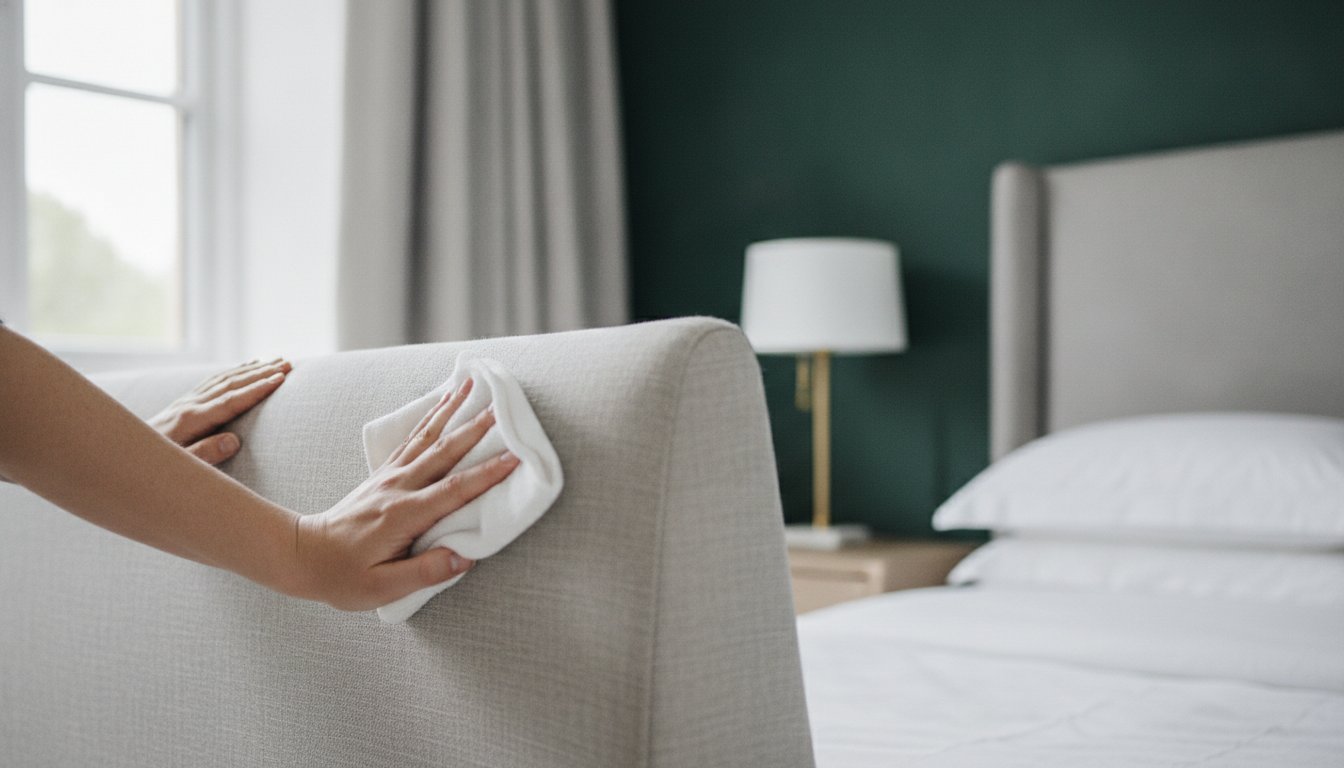
Imagine waking up on a Saturday morning in your cozy Cambridge home, only for a stray elbow to send your morning latte splashing across your beautiful linen headboard. It's a heart-sinking moment that often leads to a frantic, panicked scrub that can actually make the damage worse. We understand that your bed is an investment in your well-being, and the fear of ruining high-quality upholstery is completely normal. Learning how to clean an upholstered bed frame doesn't have to be a stressful guessing game or a risk to your furniture.
We've put together this expert-approved 2026 care guide to help you protect that luxury feel and keep your bedroom smelling fresh. You'll gain the confidence to handle everything from stubborn pet hair and dust allergies to those tricky makeup smudges. We'll walk you through the specific techniques required for different fabric types, ensuring your frame stays in pristine condition for years to come. From routine vacuuming tips to emergency spot-cleaning methods, you're about to become a pro at maintaining your sanctuary.
Key Takeaways
- Routine vacuuming with a soft brush attachment is your first line of defence against dust mites and fabric pilling.
- We'll show you how to clean an upholstered bed frame using the "blot, don't rub" method to prevent permanent damage from spills.
- Identifying your specific fabric care code (W, S, WS, or X) is essential before applying any liquid cleaners to your headboard.
- Learn fabric-specific secrets, like how to restore the "pile" on velvet or manage shrinkage on woven linen and cotton.
- Discover the signs that your investment needs a professional deep clean to maintain its fresh scent and structural integrity.
Why Regular Maintenance for Upholstered Bed Frames Matters
Owning a beautiful fabric bed is about more than just aesthetics; it's about creating a healthy environment for rest. When we talk about how to clean an upholstered bed frame, we're looking at a two-part process. This includes surface maintenance to keep it looking sharp and deep sanitisation to keep it truly hygienic. Unlike wooden or metal frames that you can simply wipe down, fabric is porous. It acts like a filter, trapping dust mites, pet dander, and pollen. Over time, these allergens can impact your indoor air quality, potentially triggering nighttime sniffles or allergies. Adopting a "little and often" approach ensures these particles don't settle deep into the fibres, which makes your bedroom feel fresher and extends the life of your furniture.
The Anatomy of Your Fabric Bed Frame
The way your bed is built determines where the dust hides. Deep-buttoned headboards, often found on luxury Hypnos or Relyon models, are beautiful but create natural pockets for debris. Piping and seams along the side rails and footend are also prime real estate for dust accumulation. If you have an ottoman or storage bed, don't forget the internal fabric lining. Dust can settle inside these compartments, especially if they aren't opened frequently. We recommend a quick vacuum of the interior base whenever you rotate your mattress to keep the entire unit pristine.
Essential Tools for the Job
You don't need a cupboard full of harsh chemicals to maintain your bed. A vacuum with a soft brush attachment is your most important tool. It lifts dust without pilling the fabric or damaging the weave. A lint roller is perfect for those stubborn pet hairs that seem to weave themselves into the material. For those of us in Cambridge and across East Anglia, our hard water can be a bit of a nuisance. Using tap water for spot cleaning can often leave unsightly white mineral rings on your headboard. We always suggest using distilled water for any liquid cleaning to avoid these marks. Many of our customers find that a dedicated fabric care kit provides peace of mind. These kits often mirror professional upholstery cleaning methods by using pH-balanced solutions that won't damage delicate fibres. Having these basics on hand means you can react quickly to spills before they become permanent stains.
Understanding how to clean an upholstered bed frame starts with prevention. By spending five minutes each week on a light vacuum, you prevent the build-up of oils and dust that lead to a dull appearance. It's a simple habit that keeps your sanctuary looking as good as the day it was delivered from our showroom.
Step-by-Step Guide to Routine Upholstery Cleaning
Keeping your bed in top shape doesn't require hours of labour; a consistent, light touch is the secret to longevity. Mastering how to clean an upholstered bed frame starts with your weekly linen change. While the sheets are in the wash, take five minutes to tend to the frame itself. This simple habit prevents dust from becoming "ground-in" debris that eventually dulls the vibrant colours and soft textures of your fabric. By acting before dirt builds up, you ensure your bedroom remains a fresh, inviting sanctuary.
Your first tool should always be a vacuum with a soft brush attachment. This is vital because hard plastic nozzles can snag delicate threads or cause "pilling," where little balls of fuzz form on the surface. Move in slow, overlapping strokes across the headboard and side rails. If you share your home with furry friends, a standard vacuum might struggle with deeply embedded fur. A sticky lint roller is the perfect secondary tool to lift those stubborn pet hairs that the suction misses. Many homeowners find success using DIY upholstery cleaning methods to keep their furniture looking fresh without relying on expensive machinery or harsh chemicals.
Vacuuming Techniques for Deep-Buttoned Styles
Tufted headboards are a hallmark of luxury, but they are also magnets for dust and dander. Use a crevice tool with a gentle touch to reach the very bottom of each button indent where particles love to hide. It's equally important to vacuum the back of the headboard. In many Cambridge homes, especially older properties where airflow might be restricted, dust can accumulate between the wall and the bed frame. Vacuuming this hidden area once a week is the "gold standard" for maintaining a truly hypoallergenic sleeping space and preventing that "musty" bedroom smell.
Deodorising Without Harsh Chemicals
Bicarbonate of soda absorbs oils and smells over 30 minutes, making it a safe and affordable way to refresh your bed. Simply sprinkle a fine, even layer over the fabric, let it sit to work its magic, and then vacuum it away thoroughly. For delicate woven materials, we suggest testing a small, hidden patch first to ensure the powder doesn't get caught in the specific weave of your bedstead. To finish, a light mist of a lavender-infused fabric refresh spray can help set the mood for a restful night. Just ensure the spray is water-based and approved for your specific upholstery type. If you're ever unsure about how a new fabric will react, you can always visit our Cambridge showroom to chat with our friendly experts about the best care products for your specific model.
Emergency Spot Cleaning: Dealing with Spills and Stains
Accidents happen, even in the most peaceful bedrooms. Whether it's a tipped morning coffee or a smudge of foundation, your first reaction determines the outcome. When people ask us how to clean an upholstered bed frame after a spill, our first piece of advice is always the same: blot, never rub. Rubbing creates friction that can fray delicate fabric fibres and, more importantly, forces the liquid deeper into the internal padding. Once a stain reaches the foam or fillings, it becomes much harder to remove and can lead to lingering odours.
Before you reach for any cleaning product, you must check your manufacturer's care label. These are typically found on the back of the headboard or inside the frame rail. In 2026, most premium brands like Hypnos use standardised codes to guide you. A "W" means you can use water-based cleaners, while an "S" signifies that only water-free solvents should be used. "WS" allows for both, but an "X" means the fabric is highly delicate and should only be vacuumed. If your label is missing, we always suggest the "ring test." Apply a tiny amount of your cleaner to an inconspicuous area, like the very bottom of the back of the headboard, to ensure it doesn't leave a permanent watermark or cause the dye to bleed.
Handling Common Bedroom Stains
For tea or coffee spills, act while the liquid is still wet. Use a clean, white microfibre cloth to blot up as much as possible. Then, mix a drop of mild, clear dish soap with distilled water and gently dab the area from the outside in. This prevents the stain from spreading. If you've dropped makeup or something oily, a water-based cleaner might just smear the pigment. In these cases, a dedicated dry-cleaning solvent is usually required to break down the oils. For ink or pen marks, use a cotton bud dipped in a small amount of surgical spirit, dabbing precisely on the mark to lift the pigment without saturating the surrounding weave.
Drying and Finishing
It's tempting to use a hair dryer to speed things up, but heat is often the enemy of upholstery. High temperatures can "set" a stain permanently or cause certain fabrics, like woven linen, to shrink and pucker. Instead, open a window to encourage natural ventilation or use a small electric fan to move air across the surface. Once the fabric is completely dry, you might notice the texture looks a little flat. Use a soft upholstery brush to gently lift the nap back into its original position. This restores that luxury feel you loved when your bed first arrived from our Cambridge showroom.

Fabric-Specific Care: From Velvet to Woven Linen
Different materials require different approaches when you're looking at how to clean an upholstered bed frame. Velvet, for instance, is prized for its depth of colour and soft texture, but it can suffer from "crushing" if not handled correctly. To restore the pile, use a soft clothes brush or a dedicated velvet brush, moving gently in the direction of the grain. This simple act lifts the fibres and keeps the material looking uniform. For natural fibres like woven linen and cotton, the biggest risk is over-saturation. These fabrics are prone to shrinkage and watermarking, so use the smallest amount of moisture possible and ensure plenty of airflow during the drying process.
Faux leather and suede offer a different set of challenges. Faux leather is remarkably resilient and usually only requires a wipe with a damp microfibre cloth or a specialised upholstery wipe. Faux suede, however, needs a dedicated suede brush to keep the surface from becoming matted. If you have a busy household in East Anglia with pets or young children, synthetic blends are often the smartest choice. These materials are engineered for durability and are generally the most forgiving when it comes to routine cleaning and accidental spills. They offer a great balance between a luxury look and practical, everyday maintenance.
Maintaining Luxury Brand Upholstery
Premium furniture requires a more nuanced touch. When caring for Hypnos mattresses and beds, always follow the specific care symbols provided with your purchase, as their high-quality fabrics are chosen for both comfort and longevity. Similarly, the hand-stitched details on Relyon beds need careful vacuuming with a soft attachment to avoid pulling or fraying the intricate threads. If you prefer a modern, low-maintenance look, Birlea furniture provides a range of durable woven options that stand up well to daily life while maintaining a sophisticated appearance in any bedroom.
The Role of Fabric Protectors
Many customers ask about after-market sprays like Scotchgard to help repel stains. These can be helpful for peace of mind, but we always advise checking your warranty first. Some manufacturers may void their guarantee if certain chemical treatments are applied after the bed has left the factory. If you do choose to use a protector, it's best applied to a clean, dry surface in a well-ventilated room. Remember that these coatings aren't permanent. You will likely need to re-apply the protection after a professional deep clean to maintain that essential barrier against spills and oils.
If you're still choosing your next bed and want to feel these textures for yourself, why not visit our Cambridge showroom to see our full range of fabric samples? Our team can show you exactly how each material behaves and provide tailored care advice for your home.
Professional Cleaning vs. DIY: When to Call the Experts
We all love the satisfaction of a job well done, but there are moments when your bed requires a level of care that goes beyond a home vacuum. If you notice persistent odours that bicarbonate of soda can't shift, or if the fabric has lost its original lustre despite your best efforts, it might be time for a professional deep clean. Experts use high-powered extraction methods that remove dirt from deep within the padding without the risks associated with domestic equipment. Attempting to deep clean yourself with a rented steam cleaner often leads to over-wetting. This moisture can become trapped in the internal foam, potentially leading to internal mould growth that ruins the frame from the inside out. Learning how to clean an upholstered bed frame is a journey of small habits, but knowing when to step back is just as vital for the bed's health.
By hiring a specialist every 18 to 24 months, you can significantly extend the life of your bedroom furniture in Cambridge. These professionals understand the specific needs of different weaves and can apply industrial-grade protectors that last much longer than supermarket alternatives. If you're searching for local resources, many reputable upholstery cleaners operate throughout the city and surrounding villages. They offer services that keep your sanctuary hygienic and fresh, ensuring your investment stays in top condition for years.
Investing in Longevity
Choosing a high-quality frame from the start makes long-term maintenance much simpler. Brands like Flintshire Furniture are known for using robust fabrics that respond well to cleaning and maintain their shape over years of use. If you've opted for a more complex design, such as an ottoman, you might find our guide on storage beds in Cambridge helpful for specific advice on keeping those internal compartments dust-free. To keep your sleep system in top condition, we recommend a full "Spring Clean" once a year. Use this checklist as a guide:
- Vacuum every surface, including the back and internal rails.
- Check all bolts and fixings to ensure the frame is structurally sound and easier to clean.
- Perform a thorough blot-test for any old, forgotten stains.
- Deodorise the fabric and rotate your mattress.
Visit Our Cambridge Showroom for Expert Advice
We invite you to visit our Cambridge showroom, where you can see and feel our wide range of fabric swatches in person. Our friendly experts are always on hand to discuss which materials best suit your lifestyle and provide bespoke advice on how to clean an upholstered bed frame based on the models we stock. We also offer a professional assembly service across Cambridgeshire and East Anglia. This ensures your bed is perfectly fitted from day one, making it easier for you to access every corner for routine care. We're proud to be your local sleep specialists, helping you create a bedroom that is as clean as it is comfortable.
Preserve Your Sanctuary for Years to Come
Maintaining a beautiful bedroom is about more than just aesthetics; it's about protecting the investment you've made in your well-being. By following a consistent routine and understanding how to clean an upholstered bed frame, you ensure your sanctuary stays fresh and inviting. Always remember to check your fabric care codes before treating spills and prioritise a gentle touch with a soft vacuum attachment to keep those delicate fibres in top condition.
Since 1990, we've been a family-run specialist dedicated to helping our neighbours across Cambridgeshire find their perfect rest. We take pride in offering an expert assembly service that ensures your frame is structurally sound and easier to maintain. With free local delivery across the region, upgrading your sleep space has never been simpler. If you're ready to find a new centrepiece for your room, Explore our Luxury Upholstered Bed Collection today. We're here to help you create a home that feels as good as it looks.
Frequently Asked Questions
Can I use a steam cleaner on my upholstered bed frame?
You should generally avoid using domestic steam cleaners unless your specific manufacturer guidelines state otherwise. Learning how to clean an upholstered bed frame involves balancing deep cleaning with moisture control to prevent internal mould. Professional cleaners use specialised equipment that extracts water more efficiently than home units, keeping the internal padding safe and dry.
How often should I vacuum my fabric headboard?
Vacuuming your headboard once a week is the ideal frequency to prevent dust and allergens from settling into the fibres. Making this a part of your weekly linen change helps maintain the fabric's original colour and texture. Use a soft brush attachment to lift surface debris without causing pilling or snagging the delicate weave of your bedstead.
What is the best way to remove pet hair from a velvet bed?
A sticky lint roller is the most effective tool for lifting stubborn pet hair that a standard vacuum might miss. For deeply embedded fur, you can also use a rubber grooming glove to gently gather the hair into clumps before vacuuming. These methods are much safer than vigorous scrubbing, which can damage the soft nap of the velvet.
Will bicarbonate of soda damage my bed upholstery?
Bicarbonate of soda is generally safe for most fabrics and is an excellent way to neutralise odours naturally. Simply sprinkle a fine layer over the material, let it sit for 30 minutes, and vacuum it away thoroughly. Always test a small, hidden patch first to ensure the powder doesn't get caught in tight weaves or cause any unexpected discolouration.
How do I get rid of water marks on my fabric bed?
You can often remove water marks by lightly dampening the entire panel with distilled water to ensure it dries evenly. Using distilled water is crucial in hard water areas like Cambridge to avoid leaving fresh mineral rings. Gently blot the area with a clean microfibre cloth and use a fan to speed up the drying process without using high heat.
Is it worth getting a fabric protection treatment for a new bed?
Investing in a fabric protection treatment is often worth it for the peace of mind it provides against accidental spills. These coatings create a barrier that keeps liquids on the surface, giving you more time to blot them away. Just be sure to check that the treatment doesn't void your manufacturer's warranty, especially with premium brands like Hypnos or Relyon.
What do the cleaning symbols on my bed frame label mean?
These symbols tell you exactly how to clean an upholstered bed frame safely. "W" indicates water-based cleaners are safe, while "S" means you must only use water-free solvents. "WS" allows for both methods, but if you see an "X," you should stick to vacuuming only. Following these codes is the best way to avoid permanent damage to your luxury furniture.
How do I clean a velvet headboard without crushing the fabric?
The secret to cleaning velvet without crushing it is to use a soft-bristled clothes brush to lift the pile after it dries. Always brush in the direction of the grain to maintain a uniform look and feel. If you're dealing with a spill, blot very gently and avoid applying heavy pressure that could flatten the delicate fibres permanently.


