
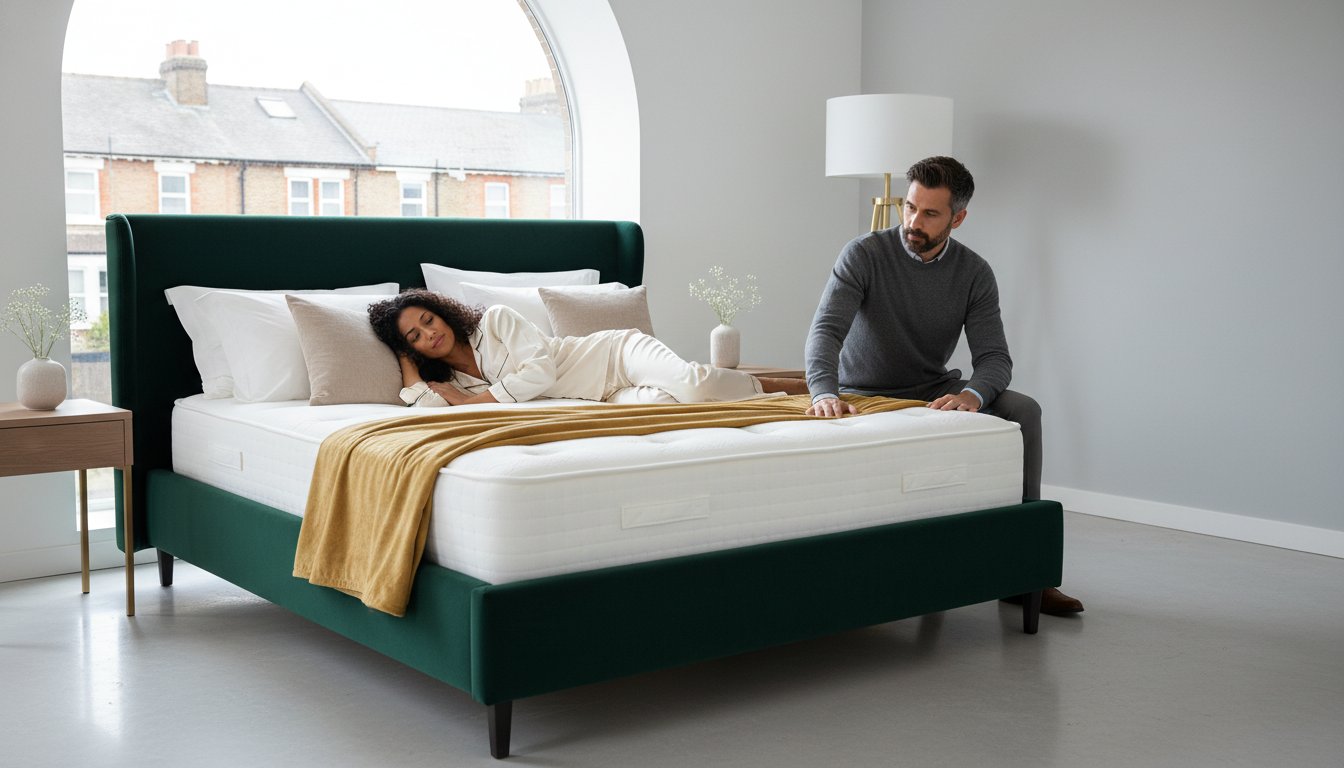
What if that "extra firm" mattress you bought to fix your back is actually the reason you're waking up at 3 a.m. with aching shoulders? It's a common mistake to assume that harder always means better, but the truth is often much more personal. We understand how exhausting it is to navigate conflicting reviews while your lower back continues to protest every morning. You want a bed that feels like a sanctuary, not an expensive mistake.
Whether you are shopping for a new bed in person or browsing online collections from specialists like The Mattress Boutique, understanding how these materials translate into firmness ratings is crucial for making the right choice.
We're here to help you move past the confusion and learn exactly how to choose mattress firmness based on your specific body type and sleeping style. Whether you're considering a luxurious pocket-sprung model from Hypnos or a supportive Sealy, this guide provides the clear framework you need for a restorative night. We'll explore how your weight changes the way a mattress feels and give you the professional expertise to choose your next bed with complete confidence. It's time to stop guessing and start sleeping on a surface that truly supports your well-being and physical comfort.
Key Takeaways
- Identify your ideal comfort level by understanding how the universal 1-10 firmness scale works for different sleeping styles.
- Wake up without aches by learning how to choose mattress firmness that matches your body weight and keeps your spine neutral.
- Avoid expensive mistakes by discovering why a mattress that feels "firm" on the surface might still lack the internal tension you need.
- Test your next mattress with confidence using the "Hand Test" to ensure there are no gaps under your lower back while you rest.
- Achieve a better quality of life by exploring how heritage brands like Hypnos and Sealy provide the professional-grade support your body requires.
Understanding the Mattress Firmness Scale
When you first lie down on a bed, that immediate sensation of sinkage or resistance is what we call firmness. It is the initial "handshake" between your body and the mattress surface. While many people use the terms support and firmness interchangeably, they're actually quite different. Firmness refers specifically to the comfort layers at the top, such as memory foam, latex, or wool. Support comes from the core of the mattress, usually the spring system or high-density foam base. Understanding this distinction is the first step in learning how to choose mattress firmness that actually works for your body.
To make the shopping process easier, the industry uses a universal 1 to 10 scale. Think of a 1 as a soft, marshmallow-like cloud and a 10 as a hardwood floor. Most people find their perfect rest somewhere in the middle of this range. Looking back at the history of mattresses, construction has evolved from simple stuffed sacks to complex systems where these layers work in harmony to cradle your joints and spine. Today, we have the luxury of choosing specific materials that provide the exact level of "give" we prefer.
The 1-10 Firmness Scale Breakdown
- Soft (1-2): These mattresses offer deep sinkage and a "hugging" sensation. They're usually best for lighter individuals or side sleepers who need significant pressure relief for their shoulders and hips.
- Medium (3-6): Often called the "Goldilocks" zone, this range balances cushioning with stability. It's the most popular choice for UK households because it accommodates various sleeping positions comfortably.
- Firm (7-10): These models provide a solid surface with very little give. If you have a heavier build or prefer to feel like you're floating on top of the bed rather than sinking in, this is your category.
Why Firmness Ratings Vary Between Brands
It's helpful to remember that a "firm" rating isn't a legal standard. Each manufacturer has its own recipe for comfort. For example, a Sealy mattress might use specific Posturepedic technology to create a firm feel that still responds to your movements. In contrast, a Hypnos mattress often achieves its firmness through traditional hand-tufting and high-tension pocket springs. Hand-tufting pulls the internal fillings tight, which can make the mattress feel more resilient and crisp. Side-stitching also plays a role, as it reinforces the edges and changes how the surface tension feels when you lie near the side. You should use the scale as a helpful guide, but always prioritize how your own body reacts to the specific materials and construction of the bed. Understanding these nuances makes the process of how to choose mattress firmness much less daunting.
Matching Firmness to Your Sleeping Position and Body Type
Finding the right bed isn't just about how it feels when you sit on the edge. It's about how your body interacts with the materials throughout the night. Your weight is the primary force that determines how deep you sink into the comfort layers. If you sink too deep, your spine arches; if you don't sink enough, your pressure points will likely feel the strain. This is why learning how to choose mattress firmness requires an honest look at your own physique and habits.
According to scientific research on mattress firmness, a surface that provides optimal spinal alignment can significantly reduce back pain and improve sleep efficiency. For couples, this becomes a balancing act. If there's a significant weight difference between partners, a standard medium mattress might leave one person feeling unsupported while the other feels like they're sleeping on a board. We often suggest looking at high-quality pocket sprung options that allow for individual movement without disturbing your partner.
Firmness Recommendations by Sleep Style
- Side Sleepers: You need a medium-soft to medium feel. This allows your shoulders and hips to sink in just enough to keep your spine straight, preventing that common pins-and-needles sensation.
- Back Sleepers: A medium-firm choice is usually best. It offers enough "give" to support the natural curve of your lower back while keeping your neck and head in a neutral position.
- Front Sleepers: You require a firm surface. If the mattress is too soft, your hips will sink, causing your back to arch painfully. A flatter, firmer surface keeps your body level.
The Impact of Body Weight on Firmness Feel
- Lighter Sleepers (under 10 stone): Because you don't apply as much pressure, many "medium" mattresses will feel quite firm to you. You might prefer something slightly softer to ensure you get the pressure relief you need.
- Average Sleepers (11-15 stone): You're usually best suited to the 5-7 range on the firmness scale. This provides a reliable balance of surface comfort and deep support.
- Heavier Sleepers (over 16 stone): You require firmer tensions to prevent "bottoming out" the springs. A mattress with a higher spring count or thicker wire gauge will provide the longevity and support your body requires.
Our team understands that every body is different. If you're looking for a bed that combines heritage craftsmanship with tailored support, exploring our range of Sealy mattresses can help you find that perfect match for your specific build and sleeping style.
The Crucial Difference Between Firmness, Tension, and Support
One of the biggest hurdles in learning how to choose mattress firmness is overcoming the myth that "firm" is a synonym for "supportive." Many people believe that a rock-hard surface is the only way to save their aching back, but this is rarely the case. Support is a mechanical function of the mattress core, while firmness is simply how the surface feels against your skin. If you choose a bed that is too soft for your build, you might experience the "hammock effect." This happens when your heavier midsection sinks deeper than your head and feet, forcing your spine into an unnatural curve that leads to significant morning stiffness.
To avoid this, we focus on spring tension. This refers to the actual gauge or thickness of the wire used in the mattress springs. Premium British brands like Hypnos are masters of this craft, offering different tensions to ensure your skeleton is held in a neutral position. As noted in the Sleep Foundation's guide to choosing a mattress, the goal is always spinal alignment. True orthopaedic support is defined as the successful maintenance of correct spinal alignment throughout the night, regardless of whether the top layers feel like a cloud or a firm cushion.
Spring Tension: Soft, Medium, and Firm Gauges
In a high-quality pocket-sprung mattress, each spring is housed in its own fabric pocket. These springs react independently to your body shape. A "firm tension" mattress uses a thicker wire gauge, which provides more resistance against your weight. However, you can have a firm tension spring unit paired with a deep, plush pillow-top made of wool or silk. This combination gives you the best of both worlds: a soft, inviting feel with a rock-solid foundation that prevents you from sinking too far. The relationship between spring count and support is also vital; generally, a higher count of quality springs allows the mattress to contour more precisely to your unique shape.
Why Orthopaedic Doesn’t Always Mean Rock Hard
The idea that back pain requires a "hard board" to sleep on is a lingering myth from decades ago. Modern sleep science has moved toward zoned support systems. These systems use different spring tensions across the mattress length, providing more "give" for your shoulders and more "push-back" for your lower back. This is particularly helpful for those dealing with chronic conditions like sciatica, where localized pressure relief is essential. When you understand how to choose mattress firmness correctly, you realize that the right bed should cradle your joints while keeping your spine perfectly level. It's about finding that precise balance where your muscles can finally stop working and truly relax.

Practical Tips for Testing and Choosing Your New Mattress
Theory is important, but nothing beats the physical sensation of lying down on a potential new bed. When you're trying to figure out how to choose mattress firmness, you need a reliable way to gauge support in person. The most effective method is the "Hand Test." While lying on your back, try to slide your hand under the small of your spine. If your hand slides through too easily, the mattress is likely too firm. If you can't get your hand under there at all, the bed is probably too soft. You're looking for a slight resistance that indicates the materials are contouring to your natural shape.
Don't forget that your neck is part of your spine. Many people test mattresses without a pillow or with a random one from the display. This is a mistake. To get an accurate feel for how a mattress supports your shoulders and upper back, you must use a pillow similar to the one you have at home. We recommend trying one of our memory foam pillows or latex pillows during your test. This ensures your entire body is aligned from head to toe, giving you a true representation of how you'll feel when you wake up the next morning.
The 10-Minute In-Store Testing Routine
We always encourage our neighbors to take their time. A quick sit on the edge won't tell you anything about a full night's rest. Wear comfortable, loose clothing and don't be shy about removing your shoes. Spend at least five to ten minutes in your primary sleeping position. This gives the comfort layers time to respond to your body heat and weight. While you're there, check for ease of movement. You shouldn't feel like you're stuck in a hole. If turning over feels like a workout, the mattress might be too soft for your build.
Utilising the 30-Night Sleep Trial
Even with careful testing, your body needs time to adjust. It typically takes between 14 and 21 days for your muscles and ligaments to adapt to a new support system. This is why a 30-night sleep trial is such a vital safety net. It removes the fear of making an expensive mistake by allowing you to test the firmness in your own home. We always suggest using a mattress protector during this period. It keeps the surface pristine while you decide if the tension is truly right for you. If you're ready to find your perfect match without the stress, you can browse our full collection of premium mattresses today and take the first step toward better rest.
Finding Your Perfect Match with Premium British Brands
Finding the right bed is much easier when you have access to the finest craftsmanship in the UK. We take great pride in acting as a expert curator for these leading brands, ensuring our neighbors have access to quality that lasts. When you are finally deciding how to choose mattress firmness, looking at heritage names like Hypnos Mattresses is a wonderful place to start. They are world-renowned for their royal-standard pocket spring support, which provides a resilient foundation that stands the test of time. If your primary goal is improving back health, Sealy Mattresses utilize their specific Posturepedic technology to offer targeted support that responds to your body's unique pressure points. For those who value traditional methods, Relyon Mattresses deliver hand-crafted firmness using natural materials and time-honored techniques perfected over many decades.
Natural Materials vs. Synthetic Foams
One of the most overlooked aspects of how to choose mattress firmness is the role of internal fillings. Many people assume a firm mattress must feel hard or unforgiving, but natural materials change that perception entirely. Fillings like wool, cotton, and silk add a luxurious "plushness" to even the highest-tension spring units. These fibers offer incredible breathability, which is a significant benefit for "hot" sleepers who find synthetic foams too restrictive or warm. Beyond comfort, natural materials are exceptionally durable. While some budget foams can soften or lose their shape after a few years, high-quality natural fillings retain their firmness and loft for much longer, providing you with better long-term value and consistent support.
Specialist Solutions: From Adjustable to Orthopaedic
Sometimes, a standard flat bed doesn't provide the relief your body requires. If you struggle with specific health needs or mobility issues, an adjustable bed can be a life-changing investment. These systems allow you to customize your sleeping position, which can significantly improve circulation and reduce pressure on sensitive joints. The foundation of your bed is just as important as the mattress itself. We often recommend pairing your choice with sturdy Birlea Furniture frames, as they provide the stable, level base needed to ensure your mattress performs at its best.
We want you to feel completely confident in your purchase. While we provide all the technical specifications and industry ratings, our final piece of advice is to always trust your own physical sensation of rest. A label might say "Extra Firm," but if a "Medium" from a different brand feels more supportive to your spine, that is the right choice for you. We are always here to help you navigate these options, ensuring you find a sanctuary that brings you the restorative, pain-free sleep you deserve every single night.
Step Into a New Era of Restful Sleep
You now have the professional tools to transform your sleep quality for years to come. By understanding the vital difference between surface comfort and internal spring tension, you can finally move past the confusion of generic ratings. We've simplified the process of how to choose mattress firmness so you can focus on what really matters: waking up feeling refreshed and pain-free. Whether you need the targeted support of a Sealy or the natural luxury of a Hypnos, your body will thank you for making an informed choice that prioritizes your long-term health.
As a family-run business helping our neighbors since 1990, we take great pride in finding the right solution for every unique sleeper. To give you total peace of mind, we offer 0% finance and flexible payment options alongside our 30-night sleep trial guarantee. This safety net ensures you can settle into your new bed without any pressure or financial worry. Browse our full range of Hypnos and Sealy mattresses with our 30-night sleep trial today. We're here to help you find the perfect balance of luxury and support for a truly restorative night.
Frequently Asked Questions
Is a firm mattress better for back pain?
Not necessarily. While "firm" used to be the default advice for back issues, modern sleep science suggests that a medium-firm feel is often more effective. This level of resistance provides enough "give" for your shoulders and hips while maintaining the natural curve of your lower back. If a mattress is too hard, it can actually create new pressure points and lead to more morning stiffness.
How do I know if my mattress is too soft?
You'll likely feel a "hammock" effect where your midsection sinks deeper than your head and feet. Waking up with a dull ache in your lower back is a classic sign that your spine isn't being held in a neutral position. If you find it difficult to turn over or feel like you're "stuck" in the bed, the comfort layers lack the necessary resistance for your body weight.
What mattress firmness is best for side sleepers?
Side sleepers typically thrive on a medium-soft to medium mattress. This allows the wider parts of your body, like your hips and shoulders, to sink in just enough to keep your spine straight. Without this essential cushioning, you might experience numbness or a "pins and needles" sensation in your arms because of restricted circulation during the night.
Does mattress firmness change over time?
Yes, all mattresses will naturally soften as the internal materials settle and the springs lose some of their initial tension. High-quality natural fillings found in brands like Relyon tend to hold their shape and resilience longer than budget synthetic foams. Rotating your mattress every three to six months helps ensure even wear and maintains a consistent feel for as long as possible.
Can I make a firm mattress softer with a topper?
You can certainly add a layer of plushness using a memory foam or latex topper. This is an excellent way to add immediate surface comfort if your current bed feels too rigid against your joints. However, a topper won't fix a sagging mattress, as it still relies on the support core underneath to keep your spine aligned correctly.
What is the best mattress firmness for couples with different weights?
A medium-firm mattress featuring independent pocket springs is the most reliable choice for couples. This design ensures that the mattress reacts to each person's weight separately, preventing one partner from rolling toward the other. When learning how to choose mattress firmness for two people, focusing on high-quality pocket springs helps minimize motion transfer and keeps both sleepers comfortable.
Does a higher spring count mean a firmer mattress?
No, the spring count relates more to how precisely the mattress contours to your body rather than the overall firmness level. A higher count of smaller springs can actually feel more "plush" because it maps your unique shape more accurately. Firmness is actually determined by the thickness of the wire gauge in those springs and the density of the top comfort layers.
How long does it take to get used to a new mattress firmness?
Your body typically needs about three weeks to settle into a new sleeping surface. During this time, your muscles and ligaments are learning to relax into a different alignment. It's common to feel a little stiff for the first few nights as your posture resets. This adjustment period is the main reason we suggest taking advantage of a 30-night sleep trial before making a final decision.


